Dental Implant Failure Jaw Pain: What the Signs Mean
Edited by Merve Aydin, Health Content Editor · About 6 min read · General information, not medical advice
Quick answer
Dental implant failure jaw pain is usually a localized sign: pain on biting, tenderness over the implant, gum inflammation, or mobility. TMD pain is more often diffuse, linked to chewing muscles or the joint, and accompanied by clicking, locking, or morning soreness. NIDCR notes that TMD involves the joint and muscles rather than a single tooth, and AAOMS guidance emphasizes that implant success depends on bone, hygiene, and controlled load. The two problems can coexist, so an exam and imaging matter more than a symptom checklist.
Dental implant failure jaw pain versus TMD
A failing implant and a jaw disorder both produce pain around the back of the mouth. Patients often assume one means the other, then worry that the implant has damaged the joint or that jaw pain means the implant must come out.
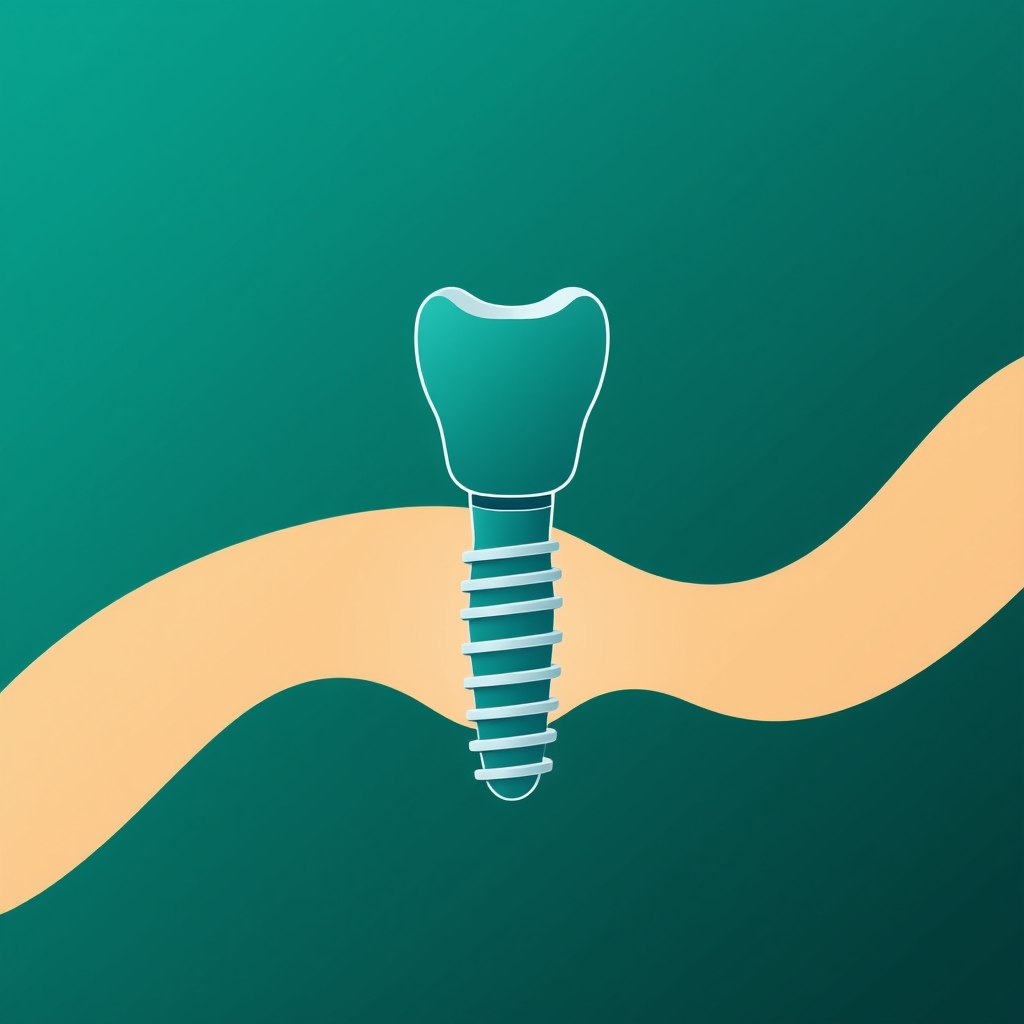
The distinction is anatomical. An implant is a titanium post in bone, topped by an abutment and crown. Failure happens at the implant-bone interface, the surrounding gum, or the restoration. TMD happens at the temporomandibular joint and the muscles that move it. They share a neighborhood, not a cause.
Both can appear together: a high crown can trigger clenching, and a patient with TMD can still develop peri-implantitis.
Signs of a failing implant
Watch for these beyond the normal healing window:
- Pain on biting or tapping over the implant
- Gum redness, bleeding, or pus around the site
- A bad taste or odor that does not clear
- Mobility of the implant or the crown
- Recession exposing the implant threads
- Swelling that returns after healing
- Bone loss seen on a radiograph
- A crown that feels high or changed in the bite
Early failure reflects a failure to integrate with bone. Late failure usually involves infection around the implant or overload from the bite. AAOMS notes that successful implants require adequate bone, healthy soft tissue, and control of parafunction such as clenching.
Some discomfort during the first week is expected; pain that increases after day three is not.
Why a failing implant can cause jaw pain
Three mechanisms explain the link.
Infection. Peri-implant mucositis is inflammation confined to the soft tissue. Peri-implantitis adds bone loss. Infection produces localized throbbing, bleeding, and sometimes a bad taste. It can refer discomfort along the jaw, which patients describe as jaw pain.
Overload. A crown that sits high, a cantilever, or heavy clenching puts force on the implant that bone cannot tolerate. The result is microdamage, bone loss, and soreness in the surrounding muscle as the jaw guards.
Nerve irritation. The inferior alveolar nerve runs through the mandible. A drill, an implant placed too close, or inflammation can irritate it, producing aching, tingling, or numbness in the lip, chin, or jaw. Numbness is not normal post-operative soreness and needs prompt review.
Maxillary implants add another possibility: sinus involvement. Pain that worsens on bending forward or comes with nasal congestion deserves a sinus evaluation.
How clinicians tell them apart
A dental exam starts with the implant itself: probing depth, bleeding, mobility, and the bite. A radiograph or CBCT shows bone level and the relationship to nerves and sinuses. A joint exam checks opening, clicking, and muscle tenderness.
The pattern helps:
| Finding | Points toward implant failure | Points toward TMD |
|---|---|---|
| Pain location | Pinpoint over the implant | Diffuse cheek, temple, or joint |
| Pain with tapping | Common | Unlikely |
| Bleeding or pus | Common | Absent |
| Clicking or locking | Absent | Common |
| Bite change | Crown feels high | May feel generally off |
| Imaging | Bone loss around threads | Joint changes if present |
When the picture is mixed, both clinicians should review the case. An implant dentist can manage the restoration while the joint clinician manages the jaw.
What treatment looks like
Peri-implant mucositis is treated with professional cleaning, improved home care, and review. It is reversible if caught early.
Peri-implantitis needs deeper debridement, sometimes antibiotics, and in advanced cases surgery or removal. AAOMS describes implant removal and grafting as options when the implant cannot be saved.
Occlusal overload is managed by adjusting or remaking the crown, and by addressing clenching with a splint or botulinum toxin in selected cases. NIDCR notes that evidence for Botox in TMD is mixed and it is not FDA-approved for TMD, so it is not a routine answer.
Nerve injury needs prompt assessment. Some cases recover; others need specialist input.
Replacement follows a healing period, often with bone grafting, and should include a discussion of why the first implant failed.
What to do now
Do not ignore pain that is tied to a specific implant. Call the treating dentist or surgeon and describe when it started, what makes it worse, and whether there is swelling, pus, or numbness. Ask for an exam and imaging rather than a phone prescription.
If the implant is stable and the pain is diffuse, a joint and muscle exam is the other half of the workup. See TMJ and dental implants for planning, and TMJ after dental implant for the normal post-surgical course. To find a clinician, browse TMJ doctors near you or the clinics directory.
Frequently Asked Questions
Can a failed implant cause TMJ pain?
It can contribute. Infection, a high crown, and prolonged guarding can all load the jaw muscles. Most implant failure pain is localized, but referred ache and muscle guarding are possible, especially when clenching increases.
How do I know if my implant is failing?
Warning signs include pain on biting, gum bleeding or pus, mobility, returning swelling, and bone loss on imaging. Only an exam and radiograph can confirm it.
Can an implant be saved after failure?
Sometimes. Early peri-implantitis may respond to cleaning and treatment. Advanced bone loss or mobility often means removal, grafting, and later replacement. The earlier it is assessed, the more options remain.
Is jaw pain after an implant always serious?
No. Soreness from prolonged opening and swelling is common in the first week and usually settles. Pain that worsens after day three, numbness, or pus is not routine and needs review.
Can a high implant crown cause jaw pain?
Yes. A crown that sits slightly high makes the jaw guard and can produce muscle soreness, headache, and a bite that feels wrong. A simple occlusal adjustment often resolves it.
Should I see a dentist or TMJ doctor for implant-related jaw pain?
Start with the dentist or surgeon who placed the implant, because the implant site needs to be examined first. If the implant is stable and the pain is muscular or joint-related, a TMJ doctor or orofacial pain provider can take over that part.
References
- TMD — National Institute of Dental and Craniofacial Research — NIDCR
- Dental implant surgery — Mayo Clinic — Mayo Clinic
- American Association of Oral and Maxillofacial Surgeons — AAOMS
- Temporomandibular Disorders — American Dental Association — ADA
- American Academy of Orofacial Pain — AAOP
Medical disclaimer
This page is general education, not medical advice. It does not replace an examination or imaging by a qualified dentist or surgeon.
Reviewed by the tmjspecialistguide.com editorial team · Last updated 2026-11-07.